About Once Upon a Roll

Team building shouldn't feel like a punishment.

Hi, I'm Laura. I have sat through the trust falls, the ropes courses, and the icebreakers that ask you to share a fun fact on command. I built Once Upon a Roll for everyone who ever checked their watch during one of those and thought, there has to be a better way to do this.

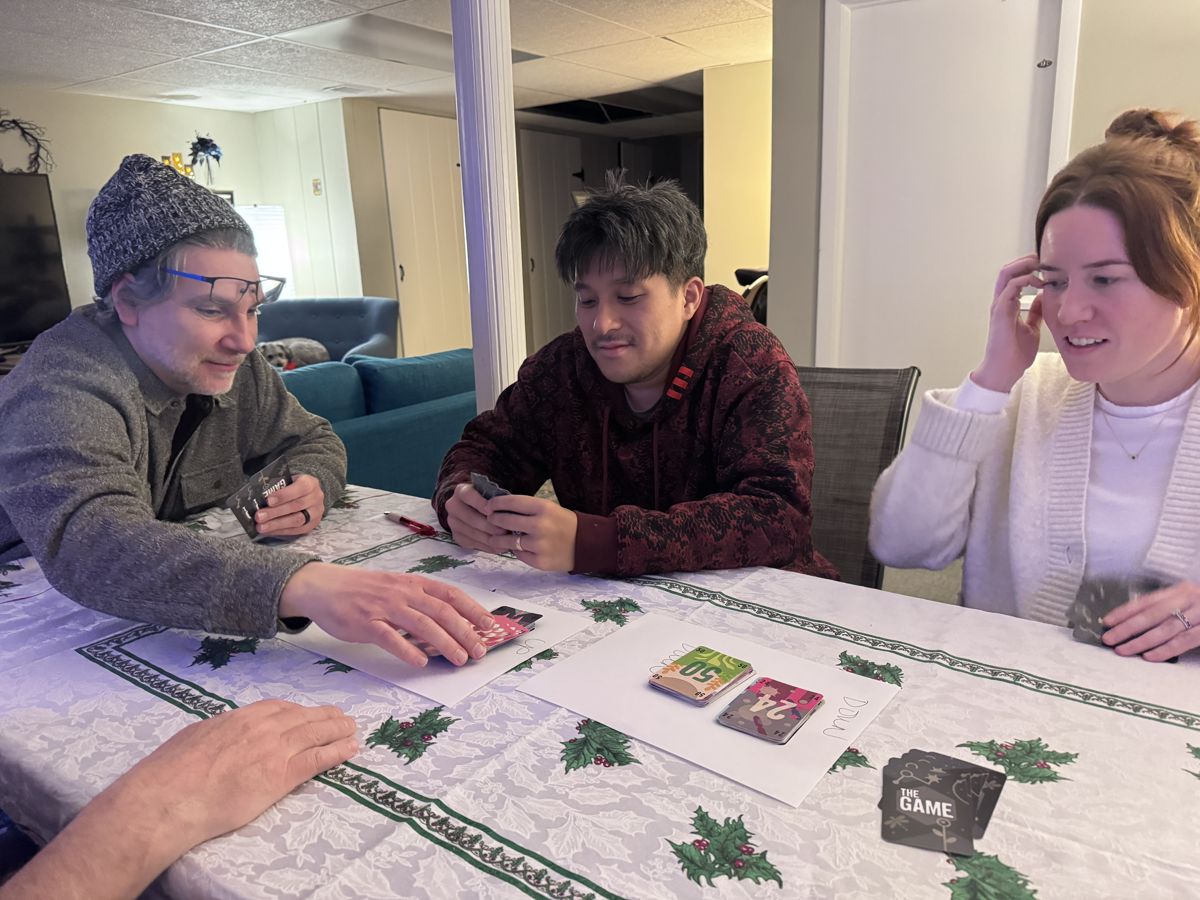
Three people laughing over a cooperative card game
no experience necessary
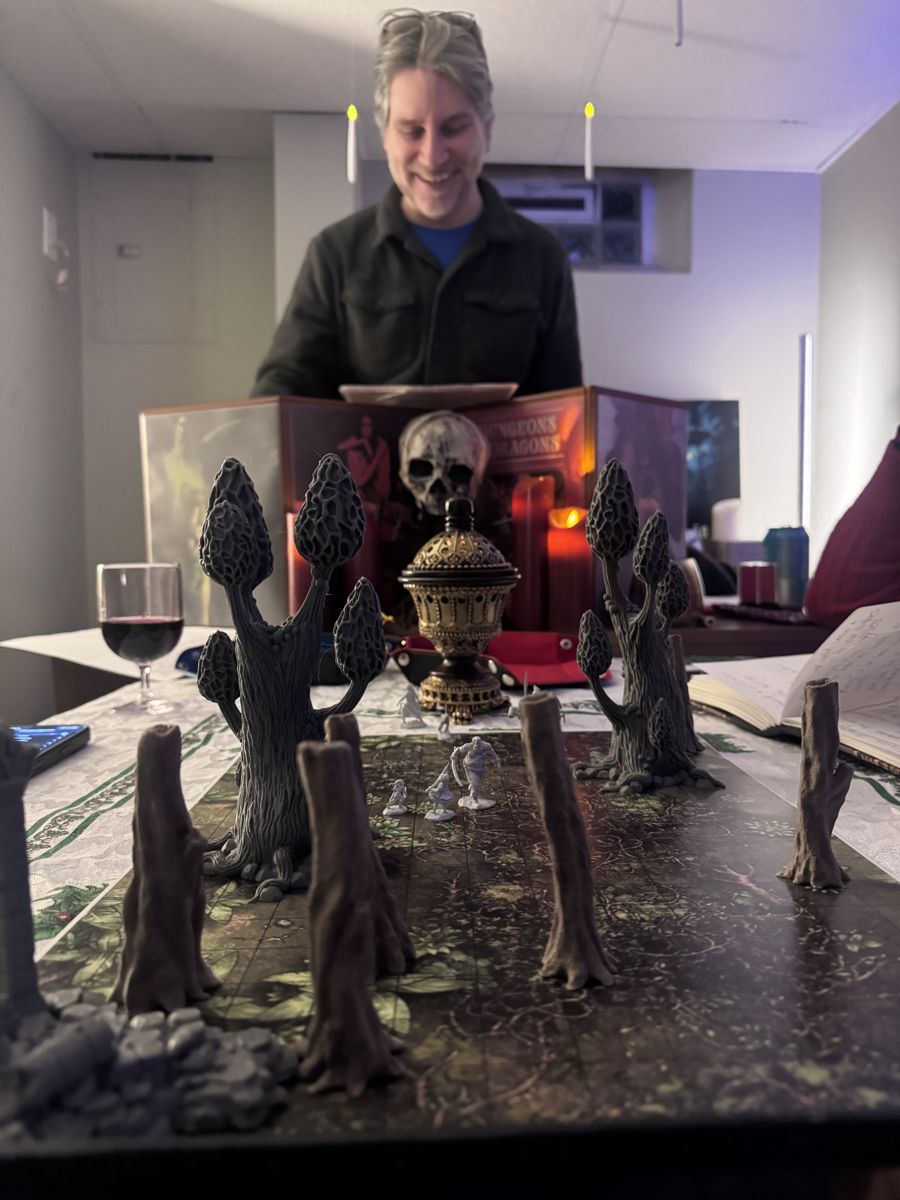
A smiling game master behind a Dungeons and Dragons screen with tiny mushroom terrain
yes, those are tiny mushrooms
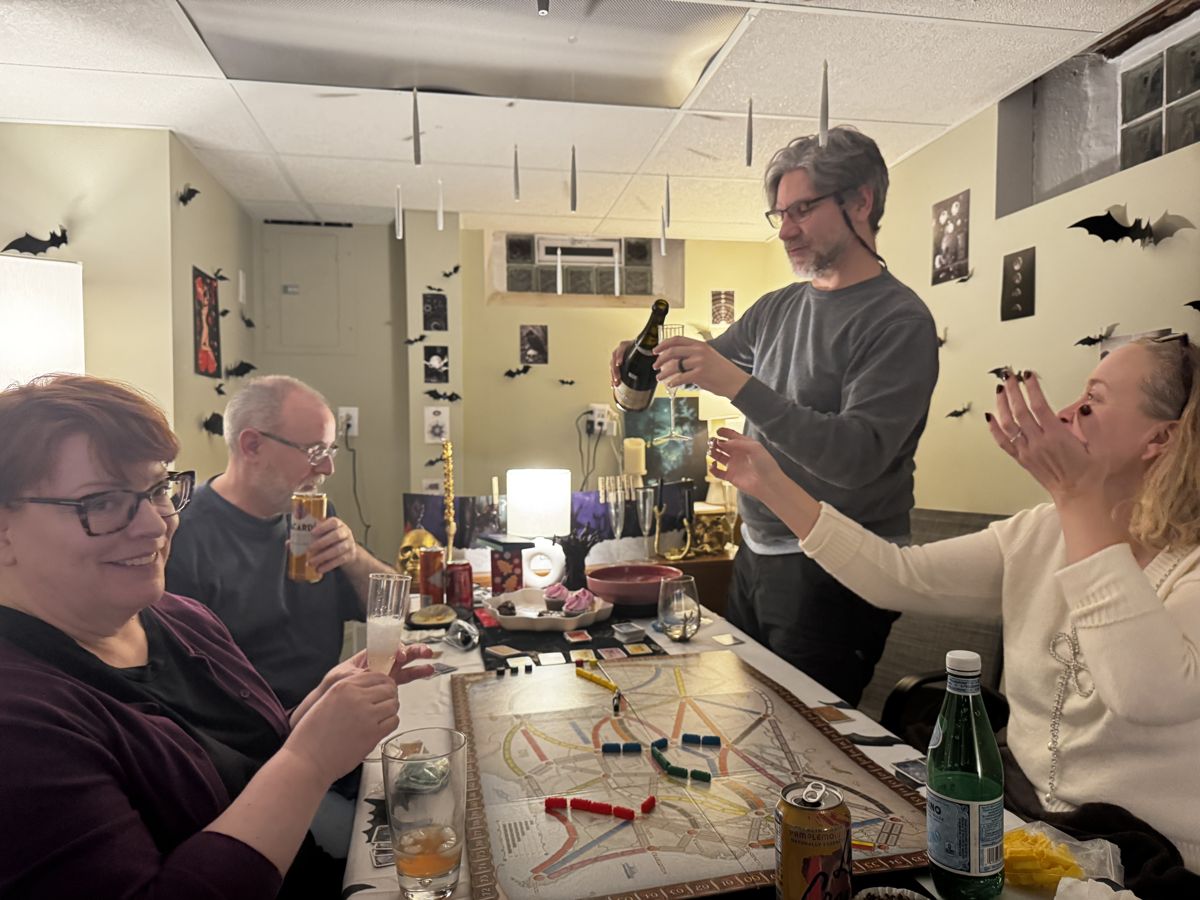
Friends toasting with champagne over a board game
a toast to the winning route
A true story:

The day I almost jumped off a sailboat to escape a team building event. Literally.

Years ago, at a corporate job, leadership announced our next team building activity. We were going sailing. Everyone else seemed thrilled. I have a healthy respect for open water, which is a polite way of saying it terrifies me, and nobody had asked.

So there I was, gripping the side of a sailboat as it heeled over, doing quiet math on the distance back to the dock. My coworkers were bonding. I was mentally drafting my goodbyes. At one point I genuinely considered whether jumping overboard might be the less scary option. That is not an exaggeration for effect. I wanted off that boat so badly that swimming for it felt reasonable.

The activity that was supposed to bring us together left me white-knuckled and counting the minutes. And I know I'm not the only one who has felt that way at a work event.

Maybe your version wasn't a sailboat. Maybe it was the ropes course when heights aren't your thing, the happy hour when you don't drink, the karaoke night when being on stage is your nightmare, or the icebreaker that asked you to get vulnerable with people you met twenty minutes ago. If you have ever burned a personal day to dodge a team event, I understand completely. I would have traded a week of vacation to skip that boat.

The problem nobody names

Traditional team building has an inclusion problem.

Most team building is designed for one imaginary employee: someone able-bodied, extroverted, comfortable with alcohol, thrilled to compete, and happy to share personal details with an audience. Everyone else is expected to smile and cope.

Ropes courses assume every body moves the same way. Happy hours assume everyone drinks. Athletic outings assume everyone can and wants to play. Improv assumes everyone loves being put on the spot. And forced-disclosure icebreakers assume trust is something you can demand on a schedule, rather than something you build.

Introverts People with disabilities People who don't drink People of every generation New hires still finding their footing Anyone who hates forced sharing People who just want to keep work and personal life separate

When part of your team gets left out of the bonding, you haven't built a team. You've built an in-group. That's why so many of these events are quietly dreaded, and why the connection they promise never seems to stick.

What we do instead

Everyone gets a seat at the same table.

At our tables, nobody needs to climb anything, drink anything, sing anything, or confess anything. You pull up a chair, you learn a simple game in minutes, and you play at your own comfort level. The connection happens on its own. These photos are proof.

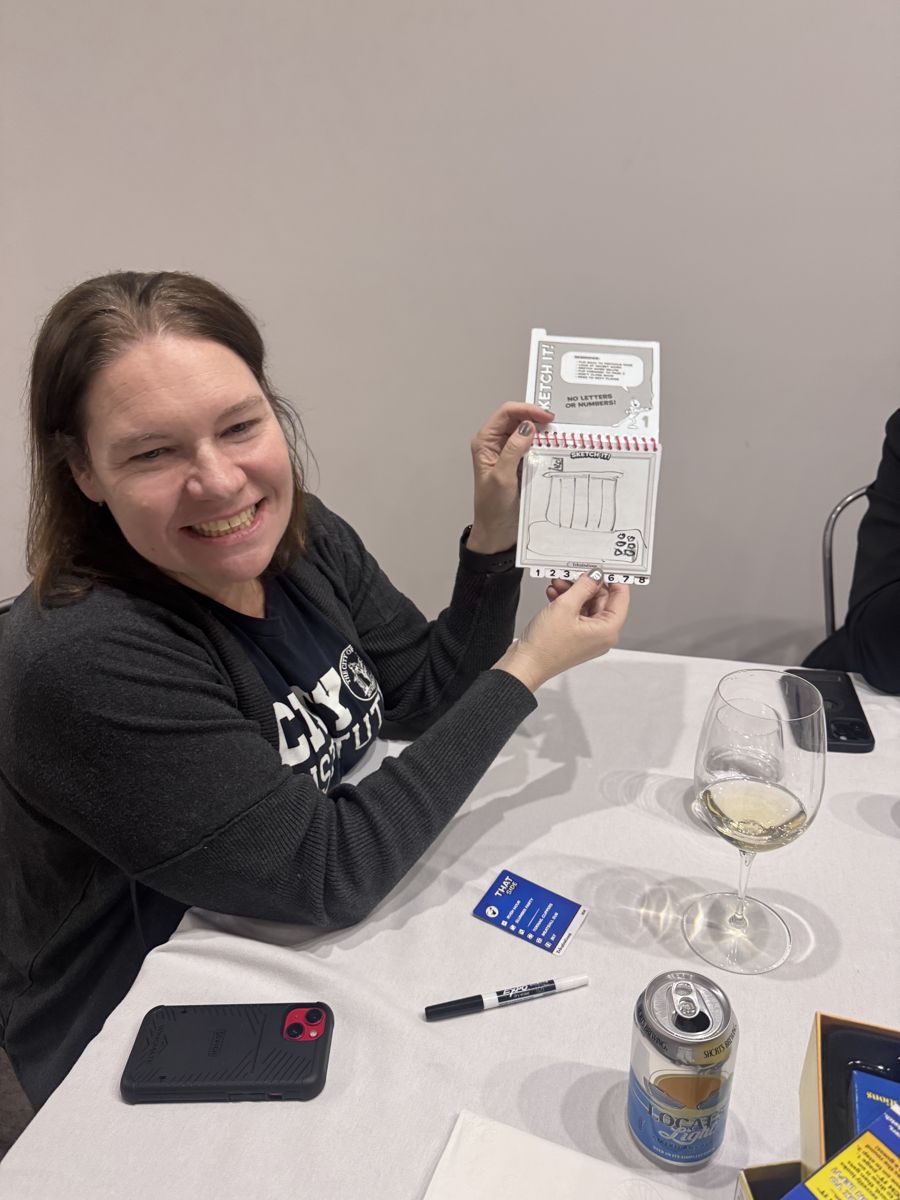
A woman laughing while showing her drawing during a game of Telestrations
art skills not required
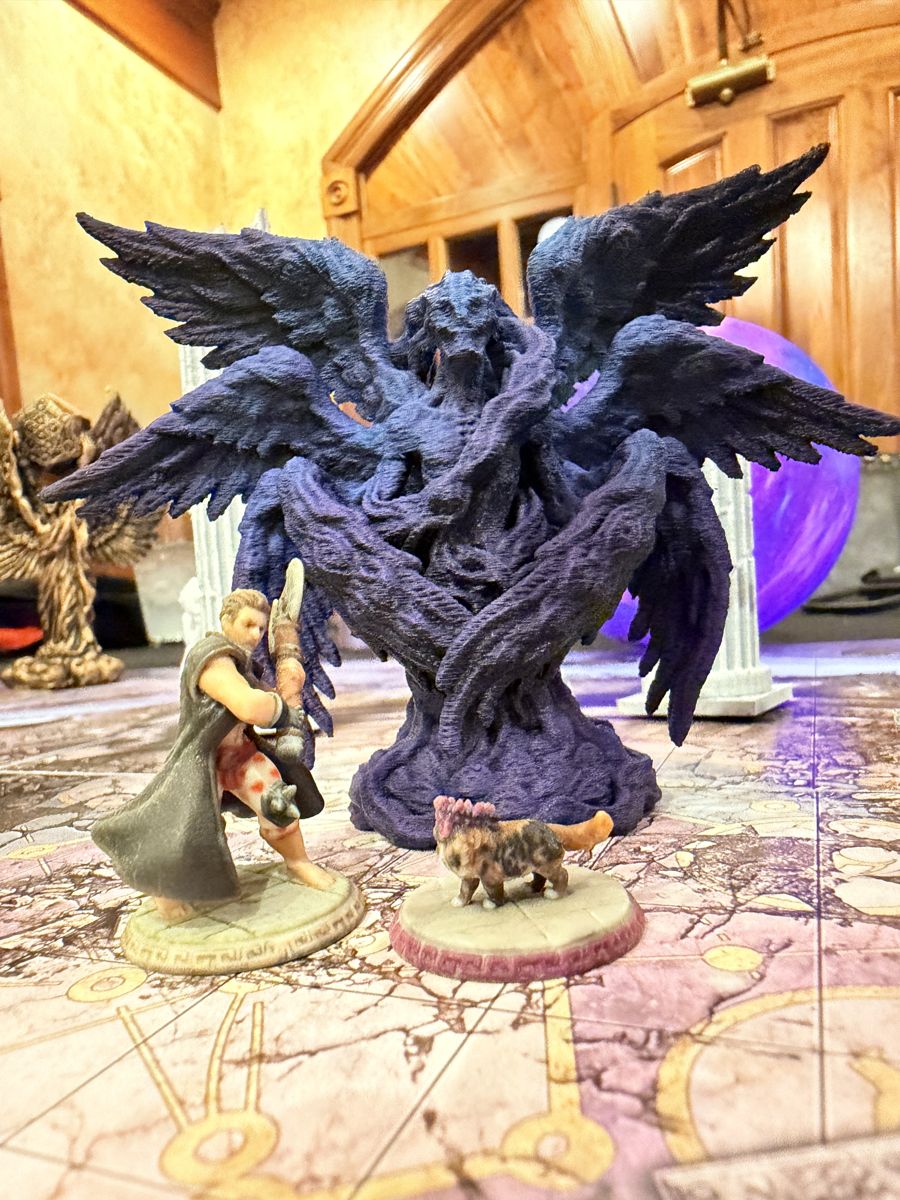
A tiny cat miniature facing down a giant winged monster on a game map
the cat is a full party member
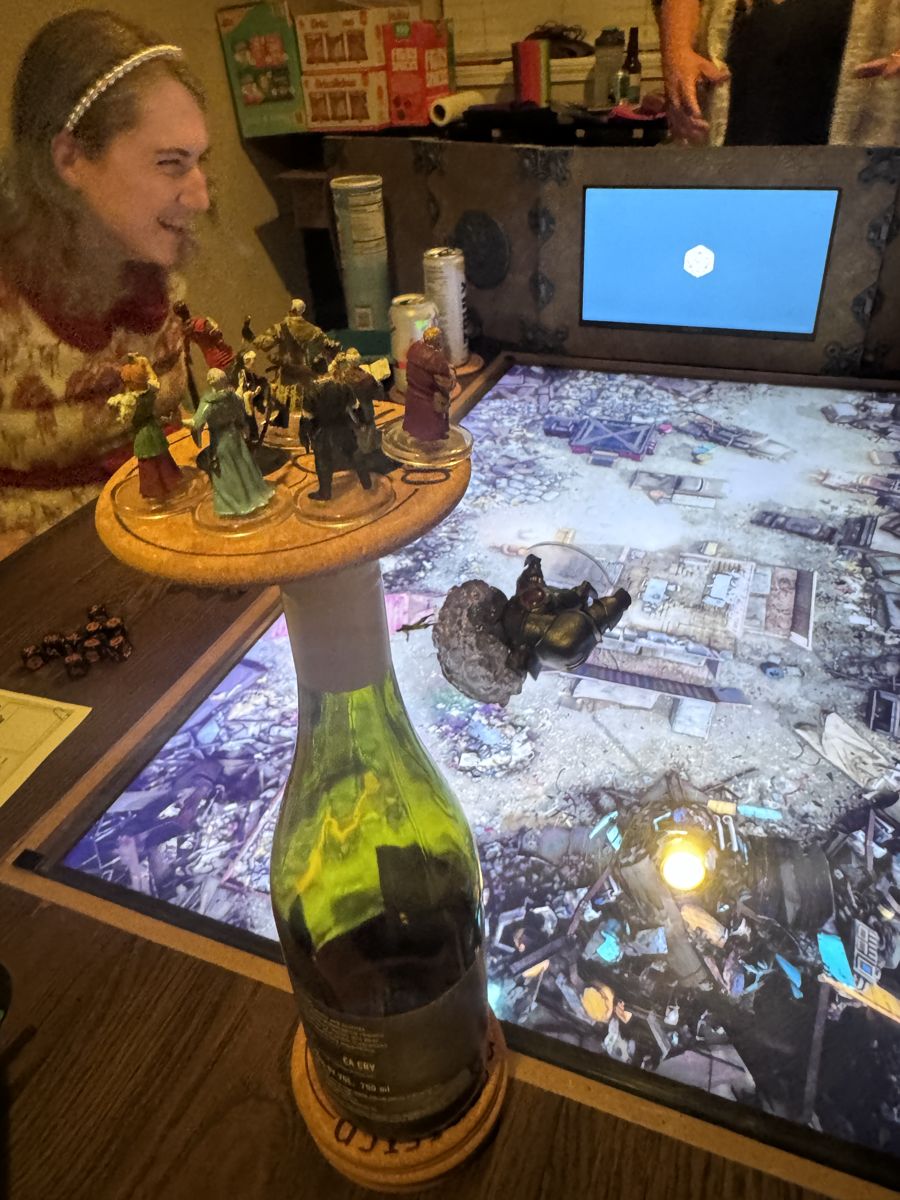
Players gathered around a digital game table covered in miniatures
cooperative, not cutthroat
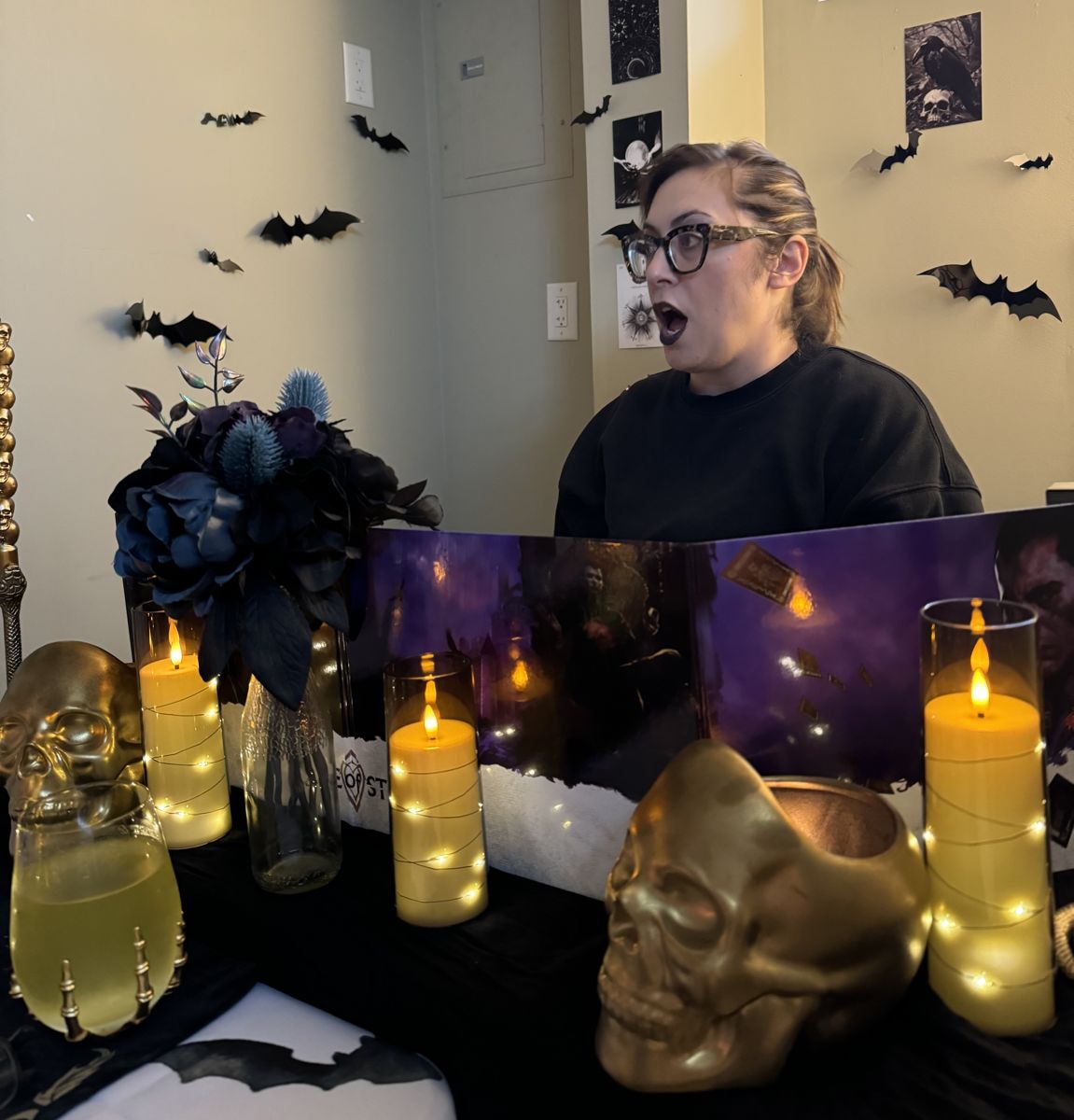
A game master mid-story at a candlelit table with gold skulls
the plot twist just landed
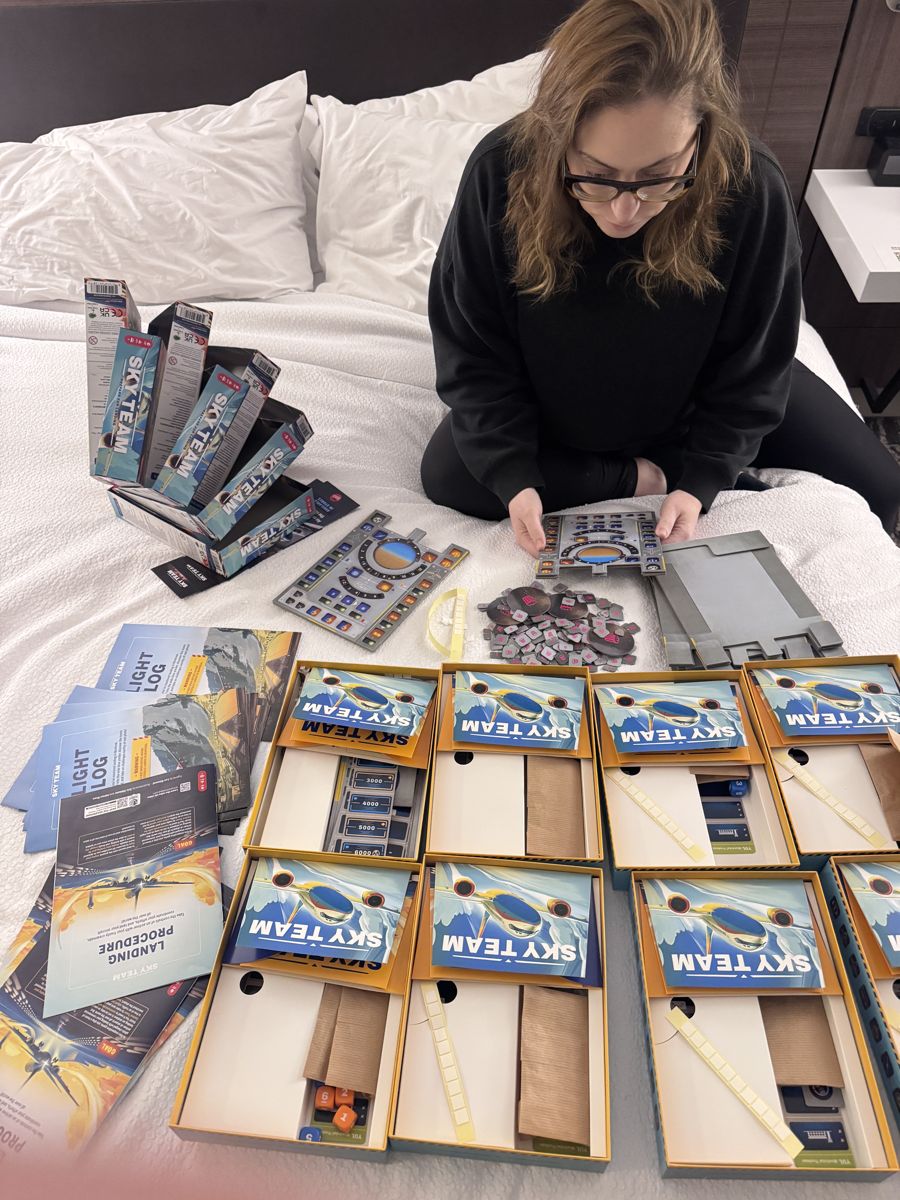
Laura prepping stacks of board games on a hotel bed
prepping games for your team
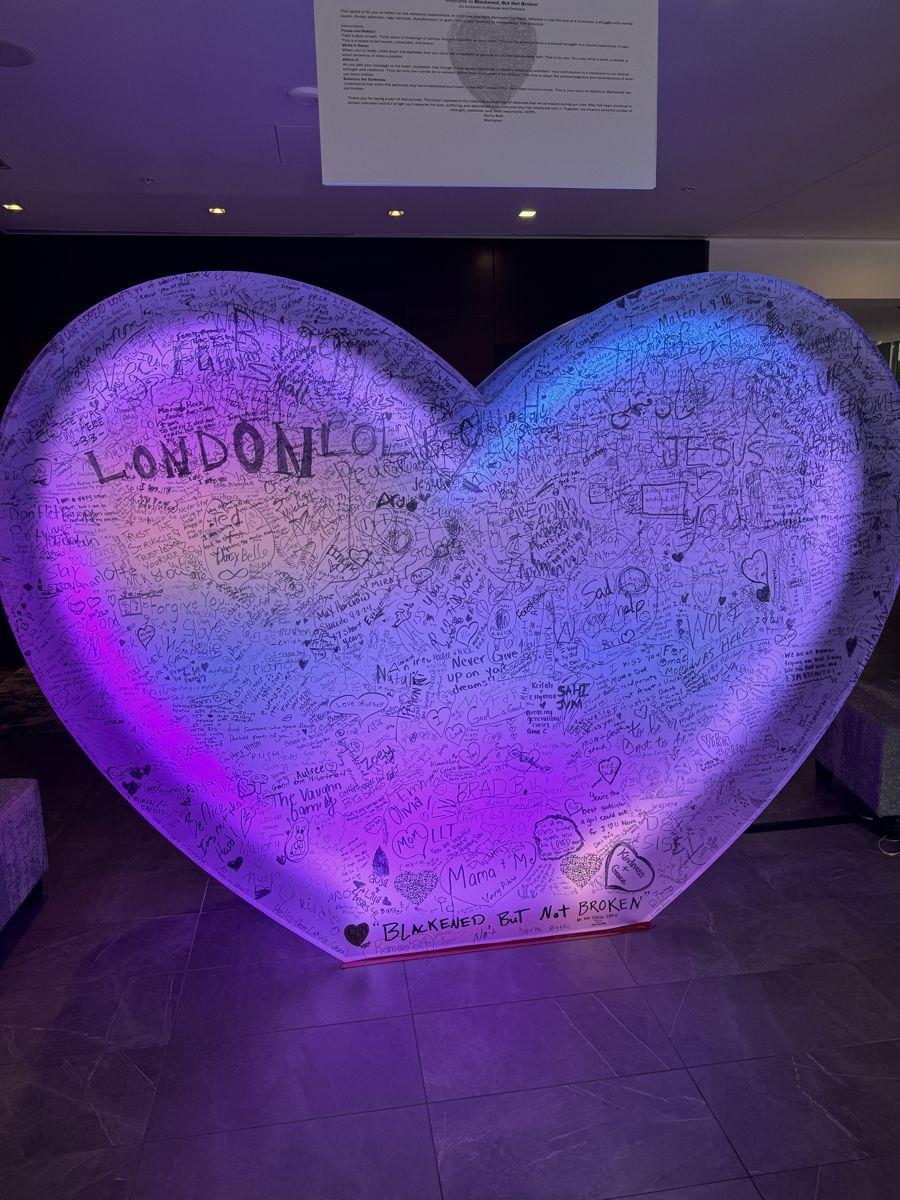
A giant glowing heart covered in handwritten messages
what community looks like
Our promise

Inclusive. Fun. And it actually moves the needle.

Inclusive by design

Our games are collaborative and intentionally simple, because complexity and competition are the two fastest ways to lose a room. There are no physical requirements and no forced vulnerability. Everyone participates in a way that feels good to them.

Genuinely fun

Not mandatory-fun fun. Actual fun, the kind where people forget to check their phones and Janice from accounting turns out to be hilarious. Laughter is the fastest shortcut to connection we know.

Built to stick

Play is practice. When your team collaborates, communicates, and problem-solves inside a game, they're rehearsing the exact skills they need back at work, which is why the connection lasts long after the session ends.

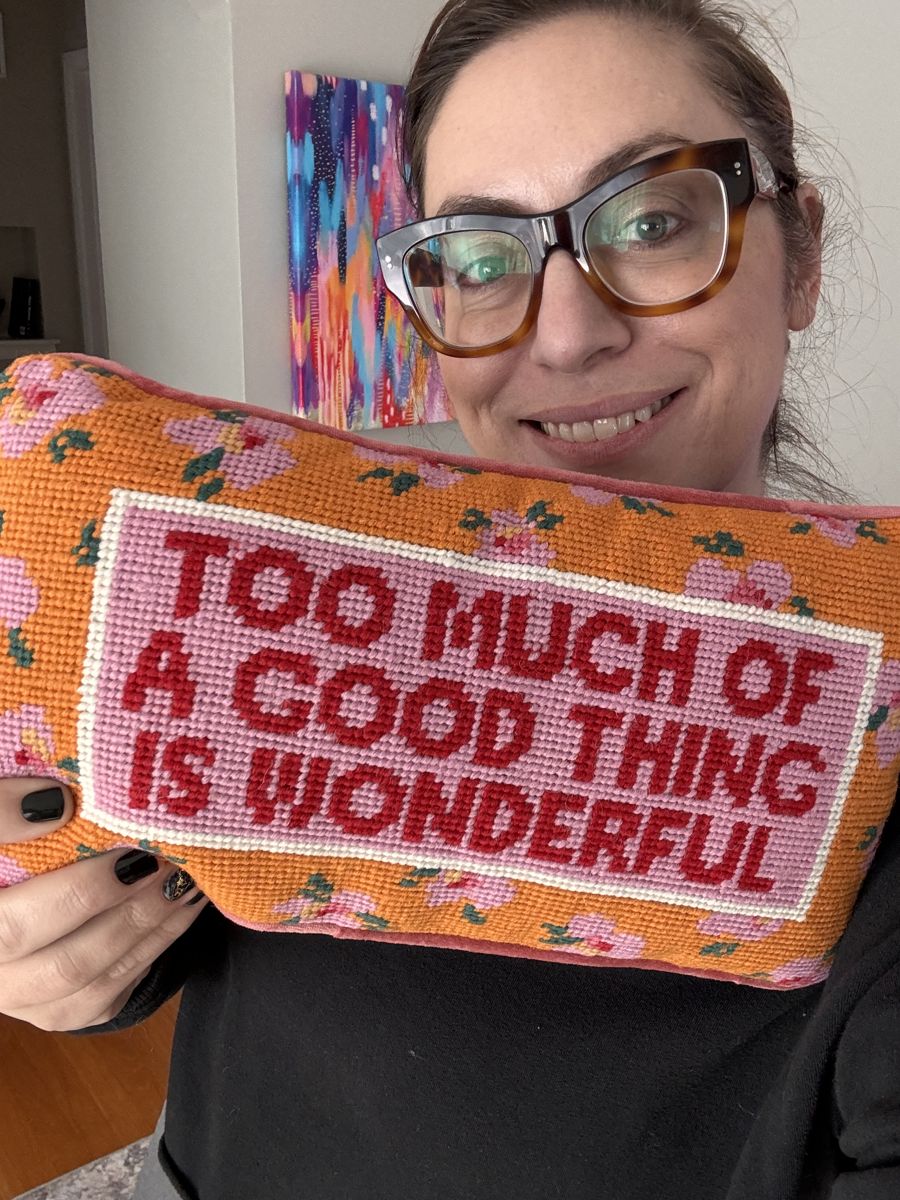
Laura smiling and holding a needlepoint pillow that reads Too Much of a Good Thing Is Wonderful
my life philosophy, in needlepoint
The person behind the screen

Meet Laura Khalil

I spent 13 years consulting for Fortune 500 companies like GE, Intel, Twitter, and Intuit, which means I've seen the inside of more conference rooms and awkward offsites than any one person should.

These days I'm a professional game master, a former fellow of the Joseph Campbell Foundation, and certified in human behavior. I've facilitated well over 2,000 meetings, I run games nearly every week, and I have watched a table of strangers become a party more times than I can count.

Once Upon a Roll is based in the Detroit area and works with teams globally, both in person and virtually. I hope we'll share a gaming table soon. No sailboats. I promise.

Laura

Ready for team building that people actually like?

Let's talk about what's going on with your team and build a game plan for connection. It starts with a conversation, not a character sheet.

Let's build your game plan